
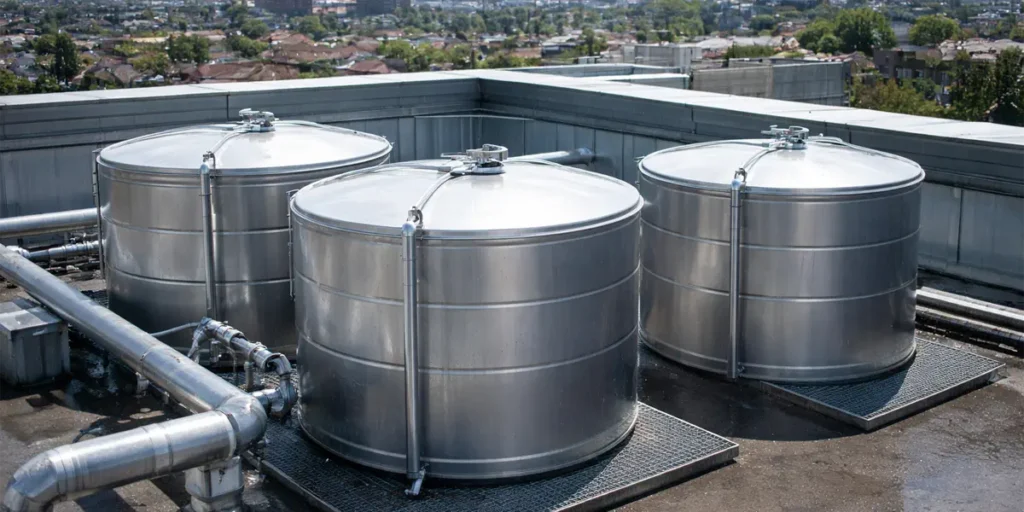
Water Tank Resolutions: 10 Preventive Tips for 2026
As 2026 begins, many building owners and facilities managers focus on improving efficiency, reducing risk, and avoiding costly surprises. Water tanks often sit out of sight, which makes them easy to overlook. A proactive approach at the start of the year can help extend tank lifespan, protect water quality, and maintain compliance. These ten preventive water tank resolutions provide a practical roadmap for the year ahead.
Schedule a professional inspection early
Start the year with a full tank inspection. Early checks help identify corrosion, cracks, damaged lids, or failing supports before minor issues turn into major repairs. ES Water Solutions will be happy to help with this. Get a quote from a water tank expert.
Review your cleaning and disinfection schedule
Regular cleaning prevents sediment buildup, bacterial growth, and poor water quality. If your tank has not been cleaned within the recommended timeframe, book it now rather than waiting for problems to appear.
Check tank insulation
Good insulation protects tanks from freezing in winter and overheating in summer. Inspect lagging and insulation panels for gaps, water damage, or wear, and replace them where needed.
Inspect lids, vents, and overflows
Damaged lids and poorly protected vents allow debris, insects, and pollutants to enter the tank. Secure all access points and ensure vents include suitable mesh or filters.
Monitor water temperature
Rising temperatures increase the risk of bacterial growth such as Legionella. Regular temperature monitoring helps you spot changes early and take action before water quality suffers.
Address corrosion and lining wear promptly
Corrosion and lining damage rarely improve on their own. Early relining or targeted repairs extend tank life and cost far less than full replacements.
Keep accurate maintenance records
Clear records support compliance, simplify audits, and help track recurring issues. Maintain logs for inspections, cleaning, repairs, and water quality checks throughout the year.
Prepare for extreme weather
Heavier rainfall, stronger winds, and heatwaves place extra stress on tanks. Check supports, bases, and drainage systems to ensure they can cope with changing weather conditions.
Review compliance requirements
Legislation and guidance evolve over time. Review current requirements related to water hygiene and safety and confirm your maintenance plan meets them in 2026.
Plan preventative maintenance, not reactive repairs
Set a clear maintenance plan for the year rather than reacting to failures. Planned servicing reduces downtime, lowers costs, and improves long term reliability.
Taking preventive action now sets the tone for the rest of the year. Well maintained water tanks protect building users, reduce health risks, and support efficient operations. A small investment of time and planning at the start of 2026 can prevent disruption, unexpected costs, and compliance issues later on.
By committing to these water tank resolutions, you place your system in the strongest possible position for the year ahead.