
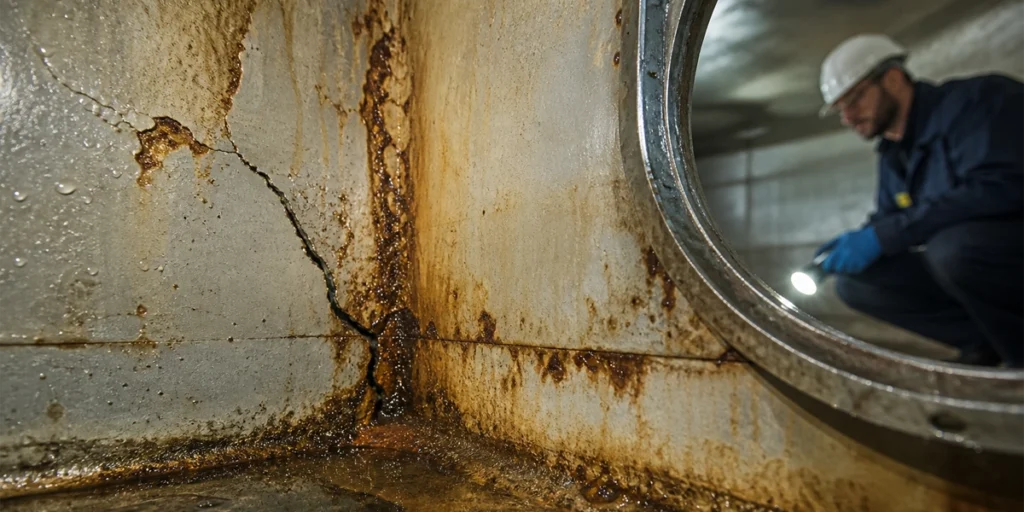
Common Water Tank Failures and How They’re Fixed
Water tanks are built to last, but like any piece of infrastructure, they are not immune to wear and tear. Over time, even well-maintained systems can develop faults that affect water quality, safety, and overall performance. Knowing what to look out for and how these issues are resolved can help prevent costly disruption.
In this guide, we cover some of the most common water tank failures and how they are typically fixed.
1. Leaks and Structural Damage
Leaks are one of the most obvious and urgent problems. They can occur due to ageing materials, poor installation, or physical damage to the tank.
Small leaks are often repaired using specialist sealing techniques or patch repairs. In more serious cases, sections of the tank may need to be reinforced or replaced. Acting quickly is important, as even minor leaks can lead to water loss and structural weakening over time.
If you suspect a leak, it is worth arranging a professional assessment through a water tank repair service
2. Corrosion and Material Breakdown
Metal tanks are particularly vulnerable to corrosion, especially if protective coatings have worn away. This can lead to contamination risks and compromise the strength of the tank.
The fix depends on the severity. Early-stage corrosion can often be treated and sealed, while more advanced cases may require internal lining systems or partial refurbishment. Preventative maintenance plays a key role in avoiding long-term damage.
3. Contamination Issues
Contamination can occur when debris, bacteria, or foreign objects enter the tank. This is often caused by damaged lids, poorly sealed access points, or a lack of regular cleaning.
The solution usually involves a full tank clean and disinfection, followed by repairs to covers, seals, or vents to prevent the issue from recurring. In some cases, upgrades to more secure lids or screening systems may be recommended.
Routine water tank cleaning is essential to maintaining water hygiene and preventing these issues
4. Faulty or Damaged Components
Internal components such as ball valves, overflows, and inlet systems can fail over time. This can lead to problems like inconsistent water levels, overflow issues, or restricted supply.
These components are typically replaced or repaired during routine maintenance visits. Keeping these parts in good working order helps ensure the entire system operates efficiently.
5. Cracks in GRP Tanks
Glass reinforced plastic tanks are widely used due to their durability, but they can still develop cracks, especially if exposed to stress or temperature changes.
Minor cracks can often be repaired using specialist GRP repair methods. Larger structural issues may require panel replacement or reinforcement to restore the integrity of the tank.
Preventing Future Failures
While many of these issues can be fixed, prevention is always the best approach. Regular inspections, cleaning, and maintenance help identify problems early before they escalate.
At ES Water Solutions, we provide professional water tank inspections, cleaning, and repair services to keep systems running safely and efficiently. If you are concerned about the condition of your tank, it is always better to have it assessed sooner rather than later.