
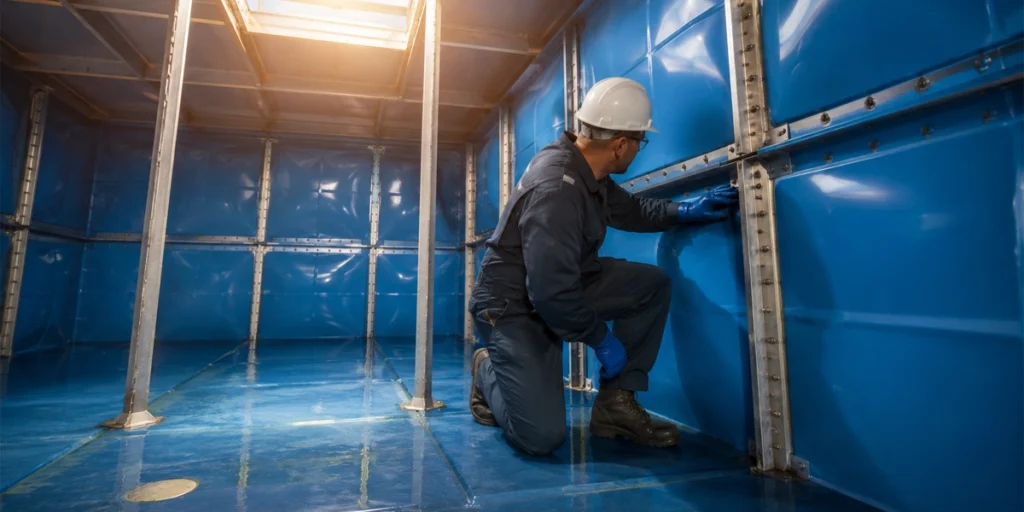
Top Summer Water Tank Maintenance Tips
Summer brings warmer temperatures, increased water usage, and additional challenges for commercial water storage systems. Without regular maintenance, higher temperatures can increase the risk of bacterial growth, water quality issues, and accelerated wear on tank components. Here are some essential summer water tank maintenance tips to help keep your system operating safely and efficiently.
1. Schedule a Water Tank Inspection
Summer is an ideal time to inspect your water tank for signs of:
- Corrosion
- Damaged coatings or liners
- Cracks and leaks
- Loose fittings
Identifying issues early can prevent costly repairs and unexpected downtime later in the year. Get in touch with ES Water Solutions to schedule your tank inspection.
2. Check for Signs of Biological Growth
Warmer conditions can encourage the growth of bacteria, algae, and biofilm inside water tanks.
Look out for:
- Unusual odours
- Discoloured water
- Slime or residue on internal surfaces
Routine cleaning and inspections can help maintain water quality and compliance.
3. Assess Your Tank Lining Condition
The summer months are a good opportunity to assess the condition of existing tank liners.
A damaged or ageing liner may lead to:
- Corrosion beneath the lining
- Reduced water quality
- Increased maintenance costs
If deterioration is identified, tank relining can often provide a cost-effective alternative to full tank replacement.
4. Inspect Tank Lids, Vents and Screens
External components play a crucial role in protecting stored water.
Ensure:
- Access covers are secure
- Ventilation screens are intact
- No insects or debris can enter the tank
This simple check can significantly reduce contamination risks.
5. Monitor Water Temperatures
Higher ambient temperatures can impact stored water quality.
Facilities managers should:
- Monitor temperature trends
- Ensure insulation remains effective
- Address any issues that may contribute to excessive temperature increases
Maintaining suitable temperatures helps reduce the risk of bacterial growth.
6. Review Maintenance Records
Summer is often a good time to review previous inspection reports and maintenance schedules.
Check:
- When the tank was last cleaned
- Previous repair recommendations
- Inspection frequencies
- Compliance requirements
A proactive approach can help avoid emergency repairs during peak operational periods.
7. Plan Ahead for Autumn and Winter
While focusing on summer maintenance, it’s also worth preparing for the colder months ahead.
Consider:
- Any recommended repairs
- Relining requirements
- Cleaning schedules
- Future inspections
Addressing issues during summer often provides greater flexibility and reduces the likelihood of weather-related delays later in the year.
Regular summer maintenance can help protect water quality, extend the lifespan of your tank, and reduce the likelihood of costly repairs. By carrying out inspections, monitoring tank conditions, and addressing issues early, building owners and facilities managers can ensure their water storage systems remain reliable throughout the year.
Need expert advice on water tank maintenance or relining? Contact ES Water Solutions to discuss your requirements and arrange a professional tank assessment.